Watch Barn Owls in Florida Live with Our Webcam
Brought to you by: CHARTER GROUP BIRD CAMS
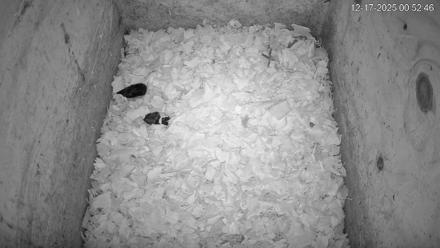
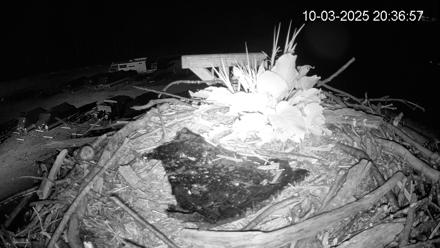
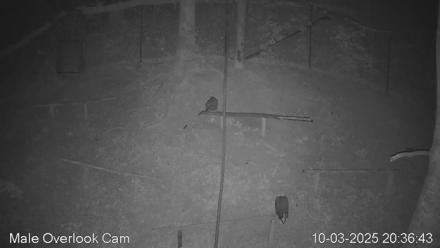
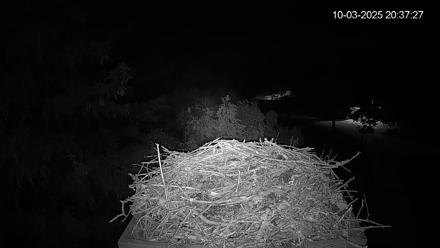
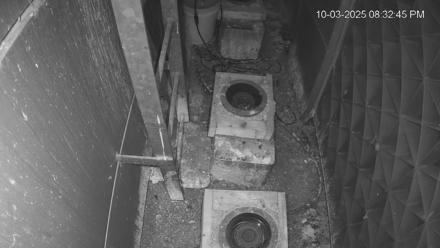
Welcome to the Barn Owls of Florida Live Webcam! This live stream provides an unfiltered view into the life of wild barn owls as they use their nesting box. The footage is part of a scientific research project monitored by the Shamir Research Institute and the University of Haifa in Israel, with cooperation from the University of Florida and the Charter Group of Wildlife Ecology.
This webcam offers an up-close and personal view of the barn owl's behavior and nesting activities. Observers will see the owls’ natural interactions, such as feeding, caring for their young, and sometimes more difficult events like siblicide, starvation, and failure to thrive. While these can be difficult to watch, they are a natural part of the survival process in the wild.
Understanding Barn Owls: A Vital Part of Florida’s Ecosystem
Barn owls are a common species in Florida, known for their unique heart-shaped faces and exceptional hunting skills. These nocturnal birds are beneficial to the local ecosystem, helping to control populations of rodents and other small animals. They often nest in hollow trees, barns, and specially designed nesting boxes, such as the one you see on the live webcam.
In this live broadcast, you’ll witness the complete life cycle of barn owls, from egg-laying and incubation to the fledging of owlets. The footage provided by this live webcam gives viewers an unprecedented look at these magnificent creatures in their natural environment.
The Science Behind the Barn Owl Webcam
The activities observed in this barn owl box are part of an ongoing research project designed to study the behavior and life cycle of barn owls. All activities are monitored as part of a research group’s scientific efforts from the Shamir Research Institute and the University of Haifa. The University of Florida and the Charter Group of Wildlife Ecology also support the project. This camera provides valuable data on owl behaviors, nesting patterns, and survival rates in wild populations.
The wild barn owl box is completely uninterrupted by humans. The owls are free to enter and leave as they please, and you’ll see all the natural occurrences that happen in the wild. While it can be heartbreaking to witness the challenges the owls face, such as competition for food or territorial conflicts, these events are important for understanding the species and their survival in the wild.
Why Watch the Barn Owls of Florida Live Webcam?
The Barn Owls of Florida Live Webcam provides a rare opportunity to observe wildlife in its purest form. Whether you’re a bird enthusiast, a wildlife lover, or simply curious about nature, this webcam lets you experience the fascinating world of barn owls from the comfort of your home. The camera captures not only the owls’ daily activities but also the natural struggles and triumphs of life in the wild.
Through this live webcam, viewers can witness the beauty of the barn owl’s nesting process, their parenting behaviors, and their interaction with the environment. By observing these owls, you become part of a vital scientific study that contributes to the understanding of barn owl populations and their role in local ecosystems.
Last Updated: October 27, 2025
Partners
Charter Group Birdcams
Frequently Asked Questions
- What can viewers see on the Barn Owls of Florida Live Webcam?
-
This live cam offers a close-up look inside a wild barn owl nesting box in Moore Haven, Florida, where viewers can observe nesting, egg laying, hatching, and the daily life of a barn owl family.
- What is the purpose of this live camera?
-
The stream supports a long-term research project conducted by the University of Florida and partners to study barn owl behavior, breeding success, and their role in pest control.
- What time of year are barn owls most active on camera?
-
Activity peaks in the spring and early summer when pairs establish nests, lay eggs, and raise their chicks.
- What kind of nesting behavior can viewers observe?
-
You may see the female incubating eggs, the male delivering prey, and both parents taking turns feeding their growing owlets.
- How does this cam contribute to scientific research?
-
Researchers use the footage to monitor nesting cycles, clutch sizes, and chick development while studying owl adaptations to Florida’s climate.
- What do barn owls eat?
-
Their diet consists mainly of small mammals such as mice and rats, which they hunt silently using exceptional hearing and low-light vision.
- Can viewers see chicks hatch and grow?
-
Yes—if eggs are present, viewers can watch the entire process from hatching to fledging as owlets develop feathers and strength for flight.
- How do the parent owls share responsibilities?
-
The female primarily incubates and broods young chicks, while the male hunts and delivers food to sustain the family.
- What makes barn owls distinct from other owl species?
-
Their heart-shaped face, pale plumage, and eerie screech set them apart, along with their remarkable ability to locate prey entirely by sound.
- What do researchers hope to learn from this project?
-
They study how barn owls thrive in agricultural regions, how weather and food availability affect nesting, and how to support healthy wild populations.
- What might viewers notice at night?
-
After dark, the owls become active hunters—viewers can see them leaving the nest box, delivering prey, or feeding chicks under infrared night vision.
- How long do barn owl chicks stay in the nest?
-
Owlets typically remain in the nest for about eight to ten weeks before taking their first flights nearby.
- Do barn owls reuse the same nest box each year?
-
Yes—if conditions are good, pairs often return to the same nesting box season after season to raise new broods.
- What role do barn owls play in Florida’s ecosystem?
-
They help control rodent populations naturally, reducing the need for chemical pest control in agricultural areas.
- What can viewers expect to see outside the nesting season?
-
During off-season months, the box may appear empty or serve as a daytime roost for solitary owls or other species.
- Why is infrared lighting used for night viewing?
-
Infrared cameras allow researchers and viewers to see nocturnal activity without disturbing the owls with visible light.
- How can viewers identify individual owls?
-
Each adult has unique facial markings and feather patterns, and researchers may use banding data for long-term identification.
- What kind of sounds can be heard from the nest?
-
You might hear soft hissing from chicks, screeches from adults, and the rustling of feathers during feeding or movement inside the box.
- How does watching this cam help conservation?
-
It raises public awareness of barn owl ecology, supports habitat protection, and contributes to non-invasive wildlife research.
- Why is this live cam worth watching?
-
It provides an authentic window into the life of barn owls—from courtship and nesting to the remarkable growth of their chicks—while contributing to important scientific understanding.