NEW: Want to get notified when the Elk Cam Team is taking over the camera? Text ELK to (208) 635-9260 to ensure you don’t miss the next close-up. More information is available at https://www.swvasportsmen.com/elkcam
Experience the majesty of Virginia elk in their natural habitat through our high-definition PTZ live webcam positioned strategically to overlook expansive fields where these magnificent creatures roam freely. Our pan, tilt, and zoom camera provides unparalleled viewing opportunities, allowing you to observe elk behavior, social interactions, and daily activities from the comfort of your home. This live stream offers wildlife enthusiasts and nature lovers a unique window into the world of one of North America's most impressive mammals.
The Virginia elk live webcam operates continuously, providing round-the-clock access to elk viewing opportunities. Unlike traditional wildlife cameras with fixed positions, our PTZ capability allows for dynamic viewing angles and close-up observations when elk venture near the camera location. This technology enables viewers to track elk movements across the fields and witness behaviors that might otherwise go unnoticed from a stationary perspective.
Virginia Elk Population and Habitat
Virginia elk represent one of the most successful wildlife restoration stories in the eastern United States. These magnificent animals were completely eliminated from Virginia by the mid-1800s due to overhunting and habitat loss. However, through dedicated conservation efforts and careful wildlife management, elk were successfully reintroduced to Virginia beginning in 2012. The Virginia Department of Wildlife Resources released elk from Kentucky into carefully selected habitats, primarily in Buchanan County and surrounding areas of southwestern Virginia.
The reintroduced Virginia elk population has steadily grown and established itself in the mountainous regions of the state. These elk thrive in the mixed forest and grassland habitats that characterize much of southwestern Virginia, areas that closely resemble their historical range. The open fields visible through our live webcam represent ideal elk habitat, providing the grasses, forbs, and browse that form the foundation of their diet.
Current estimates suggest the Virginia elk population numbers several hundred animals, with continued growth expected as the herds establish themselves and expand their range. The success of this reintroduction program demonstrates the resilience of elk populations when provided with suitable habitat and protection from excessive hunting pressure.
Elk Behavior and Characteristics
Virginia elk, scientifically known as Cervus canadensis, are among the largest members of the deer family found in North America. Adult bulls can weigh between 700 and 1,100 pounds, while cows typically range from 500 to 600 pounds. Bulls are distinguished by their impressive antlers, which can span up to five feet and weigh as much as 40 pounds. These antlers are shed annually each spring and regrown throughout the summer months, reaching full size by early fall.
The live webcam provides excellent opportunities to observe the distinct sexual dimorphism between male and female elk. Bulls display the characteristic dark brown mane around their necks and shoulders, while cows maintain a more uniform tan to light brown coloration throughout their bodies. Both sexes feature the distinctive light-colored rump patch that makes elk easily identifiable even at great distances across the fields.
Elk are highly social animals, typically forming herds that vary in size depending on the season and available resources. During summer months, cows and calves often gather in larger groups for protection and social interaction, while bulls may form smaller bachelor groups or remain solitary. The live camera frequently captures these social dynamics, showing how elk communicate through body language, vocalizations, and herd positioning.
The famous elk bugle, primarily heard during the autumn mating season known as the rut, represents one of the most distinctive sounds in the natural world. Bulls use these haunting calls to establish dominance, attract mates, and communicate with other elk across vast distances. While the webcam audio may not always capture these vocalizations due to distance and wind conditions, viewers during September and October have the best chances of witnessing this remarkable behavior.
Seasonal Elk Activity Patterns
Throughout the year, Virginia elk display distinct seasonal behavior patterns that make webcam viewing particularly rewarding during certain periods. Spring brings increased activity as cows prepare for calving season, typically occurring from late May through June. Newborn calves remain hidden in tall grass and brush for their first weeks of life, making early summer sightings of young elk especially exciting for webcam viewers.
Summer months offer perhaps the most consistent viewing opportunities, as elk spend considerable time in open fields during cooler morning and evening hours. The long daylight hours of summer provide extended viewing windows, and elk are often visible grazing, resting, and engaging in social behaviors throughout the day.
Fall represents the most dramatic season for elk watching, coinciding with the rutting season when bulls engage in spectacular displays of dominance and competition for breeding rights. Bulls may be seen sparring with their antlers, wallowing in mud, and performing elaborate courtship displays. This period of heightened activity makes fall webcam viewing particularly exciting for wildlife enthusiasts.
Winter elk behavior focuses primarily on survival and energy conservation. Elk may be less visible during the coldest periods as they seek shelter in wooded areas, but they regularly venture into open fields to forage for available vegetation beneath snow cover. Winter viewing can reveal the impressive adaptability of elk to harsh weather conditions.
Weather Patterns in Virginia Elk Country
The southwestern Virginia region where elk have been reintroduced experiences a humid subtropical climate with distinct seasonal variations that significantly influence elk behavior and webcam viewing opportunities. Understanding these weather patterns helps viewers optimize their elk watching experience and appreciate how environmental conditions affect elk activity levels.
Spring weather in Virginia elk habitat typically features mild temperatures ranging from 50 to 70 degrees Fahrenheit, with frequent rainfall that promotes lush vegetation growth. These conditions create ideal grazing opportunities for elk, often resulting in increased field activity visible through the live webcam. Spring storms may temporarily reduce elk visibility as animals seek shelter, but they typically return to open areas quickly after weather systems pass.
Summer temperatures in the region commonly reach 80 to 90 degrees Fahrenheit, with high humidity levels that can make conditions uncomfortable for both elk and human observers. Elk adapt to summer heat by shifting their activity patterns, becoming most active during cooler morning and evening hours. Webcam viewers often see elk resting in shaded areas during the hottest parts of summer days, then emerging into open fields as temperatures cool.
Fall brings some of the most pleasant weather conditions for elk watching, with temperatures ranging from 45 to 75 degrees and lower humidity levels. Clear, crisp autumn days provide excellent visibility through the webcam, and the comfortable temperatures encourage increased elk activity throughout the day. Fall weather also coincides with the rutting season, creating optimal conditions for observing elk behaviors.
Winter weather in southwestern Virginia can be quite variable, with temperatures ranging from below freezing to the mid-50s. Snowfall occurs regularly but typically melts within a few days due to the region's moderate winter climate. Elk are well-adapted to winter conditions, and snow often makes them more visible against the white background when viewed through the webcam.
Best Times for Elk Viewing
Successful elk watching through our Virginia elk live webcam requires understanding when these animals are most likely to be active and visible in open fields. Elk are crepuscular animals, meaning they are most active during dawn and dusk hours when lighting conditions provide natural camouflage and temperatures are more comfortable.
Early morning hours, particularly the first two hours after sunrise, often provide excellent elk viewing opportunities. Elk frequently graze in open fields during this time, taking advantage of cool temperatures and minimal human disturbance. The soft morning light also creates ideal conditions for observing elk coloration and behavior through the webcam.
Evening hours before and during sunset represent another prime viewing window. Elk often emerge from wooded resting areas to feed in open fields as afternoon temperatures cool. Evening activity may extend well past sunset, especially during cooler months when elk take advantage of extended comfortable conditions.
Weather conditions significantly impact elk visibility and behavior. Overcast days with mild temperatures often result in increased elk activity throughout the day, as animals are not confined to seeking shade during hot, sunny periods. Light rain or snow may actually increase elk viewing opportunities, as these conditions often coincide with comfortable temperatures and reduced human activity in the area.
Seasonal timing also affects elk viewing success. Spring and fall generally provide the most consistent elk sightings, while summer viewing may be more limited to early morning and late evening hours. Winter can offer excellent viewing opportunities when snow cover makes elk more visible against the white landscape.
Whether you're a wildlife photographer seeking to study elk behavior, a student learning about wildlife ecology, or simply someone who appreciates the beauty of wild animals, our Virginia elk live webcam provides an invaluable resource for connecting with nature. The continuous live stream offers something new with each viewing session, from intimate moments of cow and calf interactions to the powerful displays of dominance during rutting season.
Last Updated: October 29, 2026
Partners
Virginia Department of Wildlife Resources
Virginia Department of Wildlife Resources maintains wildlife management areas for the benefit of all citizens for a variety of outdoor recreational opportunities.
The Complete History of Elk in Virginia: From Extinction to Restoration
Virginia's elk story is one of the most compelling wildlife conservation success stories in the Eastern United States. From their complete extirpation in the 1800s to their triumphant return in the 21st century, elk have reclaimed their rightful place in Virginia's Appalachian landscape. This comprehensive history explores the rise, fall, and remarkable restoration of elk in the Commonwealth.
Virginia's Original Elk Population
Elk were historically abundant throughout eastern North America, including Virginia, where they roamed vast oak savannas and prairie-like ecosystems that once characterized much of the region. These majestic creatures, among the largest members of the deer family, thrived in Virginia's diverse habitats for thousands of years before European colonization.
Archaeological evidence indicates that elk inhabited Virginia for millennia, with prehistoric remains dating back 2,500 years discovered throughout the region. The eastern elk (Cervus canadensis canadensis) was perfectly adapted to Virginia's climate and terrain, from the mountains to the coastal plains.
The Decline and Extirpation (1600s-1855)
The arrival of European settlers marked the beginning of the end for Virginia's elk population. Several factors contributed to their rapid decline:
Unregulated Market Hunting
The colonization and westward expansion brought with it unregulated market hunting that devastated elk populations. Commercial hunters pursued elk relentlessly for their meat, hides, and valuable antlers, with no sustainable harvest practices in place.
Habitat Destruction
Significant landscape-level habitat changes accompanied European settlement. The conversion of natural oak savannas and prairies to agricultural land eliminated crucial elk habitat. Forests were cleared for farming and timber, fragmenting the large tracts of land that elk required.
The Final Chapter
The last survivor of Virginia's original elk herd was killed in 1855 in Clarke County. This marked the end of thousands of years of elk presence in Virginia and the complete extirpation of the eastern elk subspecies throughout its range.
Early Restoration Attempts (1917-1930s)
Virginia was among the first states to attempt elk restoration in the Eastern United States. The Virginia Game Commission launched an ambitious reintroduction program in the early 20th century:
The 1917-1922 Restoration
140–150 elk are released in Virginia (nine counties west of the Blue Ridge and two east of the Blue Ridge) by the Virginia Game Commission. These elk were sourced from western populations and released across eleven counties throughout the state.
Additional Releases
An additional 43 elk are released in Giles and Botetourt Counties. This brought the total number of restored elk to nearly 200 individuals during the initial restoration period.
Challenges and Failure
Despite the promising start, the early restoration effort faced significant challenges. Excessive poaching, inadequate winter grazing habitat, and continued landscape changes proved insurmountable. After 1926, only the two herds in Giles/Bland and in Botetourt/Bedford counties survived in the wild. By 1930, even these remnant populations had disappeared, marking the failure of the first restoration attempt.
The Long Absence (1930s-2010)
For nearly eight decades, elk were absent from Virginia's landscape. During this period, significant ecological and social changes occurred:
Conservation organizations like the Rocky Mountain Elk Foundation emerged
Scientific understanding of wildlife restoration improved
Public attitudes toward wildlife conservation shifted
Planning the Modern Restoration (1990s-2012)
The modern elk restoration effort began with careful scientific planning and community engagement:
Initial Studies
RMEF invested more than $28,000 in 1996 for an initial elk restoration feasibility study in Virginia. This comprehensive study evaluated habitat suitability, potential conflicts, and restoration strategies.
Kentucky's Success Story
From 1997 through 2002, the Kentucky Department of Fish and Wildlife Resources translocated 1,541 elk from six different states and released them in various sites throughout the southeastern portion of the state. Kentucky's remarkable success provided both inspiration and a source population for Virginia's restoration.
Official Approval
Wildlife agency commissioners in 2010 officially approved Virginia's elk restoration program, setting the stage for the most successful elk restoration in the Eastern United States.
Site Selection
Buchanan, Dickenson and Wise counties were chosen as an Elk Restoration Zone, creating the Elk Management Zone (EMZ) in Southwest Virginia. This region's habitat characteristics, low human population density, and stakeholder support made it ideal for elk restoration.
The Successful Restoration (2012-2014)
The modern restoration effort began with careful planning and execution:
The Release Program
Between 2012 and 2014, a total of 71 elk were relocated into Buchanan County, Virginia, from southeast Kentucky, plus 4 additional calves born in quarantine. Each elk was carefully monitored using GPS tracking collars to monitor their movements and survival.
Immediate Success
By September 2015, Virginia's restored elk herd was estimated at 120 individuals. This rapid population growth exceeded expectations and demonstrated the restoration's early success.
Current Population and Success (2015-Present)
Virginia's elk population has continued to grow and thrive:
Population Growth
now there's a thriving herd of more than 250 elk in Southwest Virginia, most of which are located in close proximity to the original restoration site in Buchanan County. This represents a remarkable conservation success story.
Geographic Distribution
Since their release, the elk have largely stayed within the designated Elk Management Zone, though some have dispersed into adjacent areas of Kentucky and West Virginia.
Habitat Management
Many of the open areas elk use for foraging are high-quality habitat maintained through plantings, fertilization, and mechanical removal of woody vegetation. Active habitat management has been crucial to the restoration's success.
Economic and Tourism Impact
Virginia's elk have become a significant draw for wildlife tourism:
Elk viewing opportunities attract thousands of visitors annually to Southwest Virginia
Local communities benefit from increased tourism revenue
The elk webcam provides 24/7 viewing opportunities for people worldwide
Despite the restoration's success, ongoing management challenges include:
Human-Elk Conflicts
As the population grows, interactions with agricultural operations and human development require careful management and compensation programs.
Habitat Maintenance
Continued habitat improvement and maintenance are essential for supporting the growing population.
Population Monitoring
Regular population surveys and health monitoring ensure the herd's continued success.
Future Outlook
Virginia's elk restoration represents one of the most successful wildlife restoration programs in the Eastern United States. Key factors for continued success include:
Ongoing habitat management and improvement
Community engagement and support
Adaptive management strategies
Potential for limited hunting opportunities in the future
Continued monitoring and research
Conservation Lessons
Virginia's elk story offers valuable lessons for wildlife conservation:
Persistence Pays: Despite early failures, continued commitment to restoration ultimately succeeded
Science-Based Approach: Careful planning and feasibility studies were crucial to success
Community Support: Local stakeholder engagement was essential
Habitat Quality: Maintaining high-quality habitat is fundamental to success
Monitoring is Essential: GPS tracking and population monitoring allowed adaptive management
Conclusion
The history of elk in Virginia spans centuries, from abundance to extinction to successful restoration. Today's thriving elk population represents not just a conservation victory, but a testament to what's possible when science, community support, and dedicated wildlife management converge. As Virginia's elk continue to thrive in their restored habitat, they serve as living symbols of successful conservation and the resilience of nature when given a second chance.
Virginia's elk have truly come home, and their presence enriches the Commonwealth's natural heritage for current and future generations. The success of this restoration program provides hope and a model for other wildlife conservation efforts throughout the Eastern United States.
Last Updated: October 27, 2025
Frequently Asked Questions
What does this webcam show?
It provides a live PTZ view of Virginia’s elk herd in the mountains near Vansant, Virginia.
Why is the camera moving?
The PTZ camera automatically pans across fields and forest edges to follow elk activity.
Can I hear the elk?
Yes, the stream includes live audio of bugling elk, birds, and other natural sounds.
Can I share this live stream with friends?
Yes, use the Share button to copy the link or share on social media.
How do I take a snapshot of the elk?
Click the Snapshot button to capture an image; you can download or save it to your gallery.
Where can I find my saved snapshots?
Saved images appear in this stream’s gallery and in your personal snapshot collection.
Does the video adjust automatically for my internet connection?
No, this stream plays in fixed quality.
Who operates this camera?
It’s a partnership between HDOnTap and the Virginia Department of Wildlife Resources.
Where is the Virginia elk herd located?
In the reclaimed coalfields of Buchanan County, in southwestern Virginia’s mountains.
When is the best time to watch the elk?
Dawn and dusk are the most active times, especially during the fall rut.
What is the rut season?
The rut is the elk mating season, usually from late September through early October.
Will I hear bugling?
Yes, males bugle frequently during the rut to attract females and challenge rivals.
Can I see calves on the camera?
Yes, young elk calves appear in late spring and early summer.
Do elk stay visible all year?
Yes, though they may be harder to spot in warmer months when vegetation is dense.
What other animals might appear?
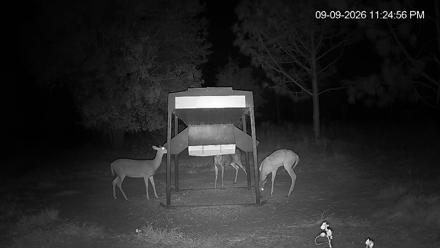
White-tailed deer, turkeys, and birds sometimes wander into view.
What kind of habitat is this?
A mix of open fields and forest reclaimed from former coal mining land.
How big is a bull elk?
Adult bulls can weigh over 700 pounds and stand five feet tall at the shoulder.
Why were elk reintroduced to Virginia?
They were restored after being eliminated in the 1800s, as part of a conservation effort.
When were elk brought back to the state?
Reintroduction began in 2012 with animals relocated from Kentucky.
Can I visit the area seen on camera?
Yes, viewing areas are managed by the Virginia DWR near Breaks Interstate Park.
Can I hear other wildlife besides elk?
Yes, you may hear birds, insects, frogs, and wind through the forest.
Can I watch the camera at night?
Yes, the camera uses low-light sensitivity for limited nighttime viewing.
How do I add this cam to my favorites?
Log in with a free account and click the star icon.